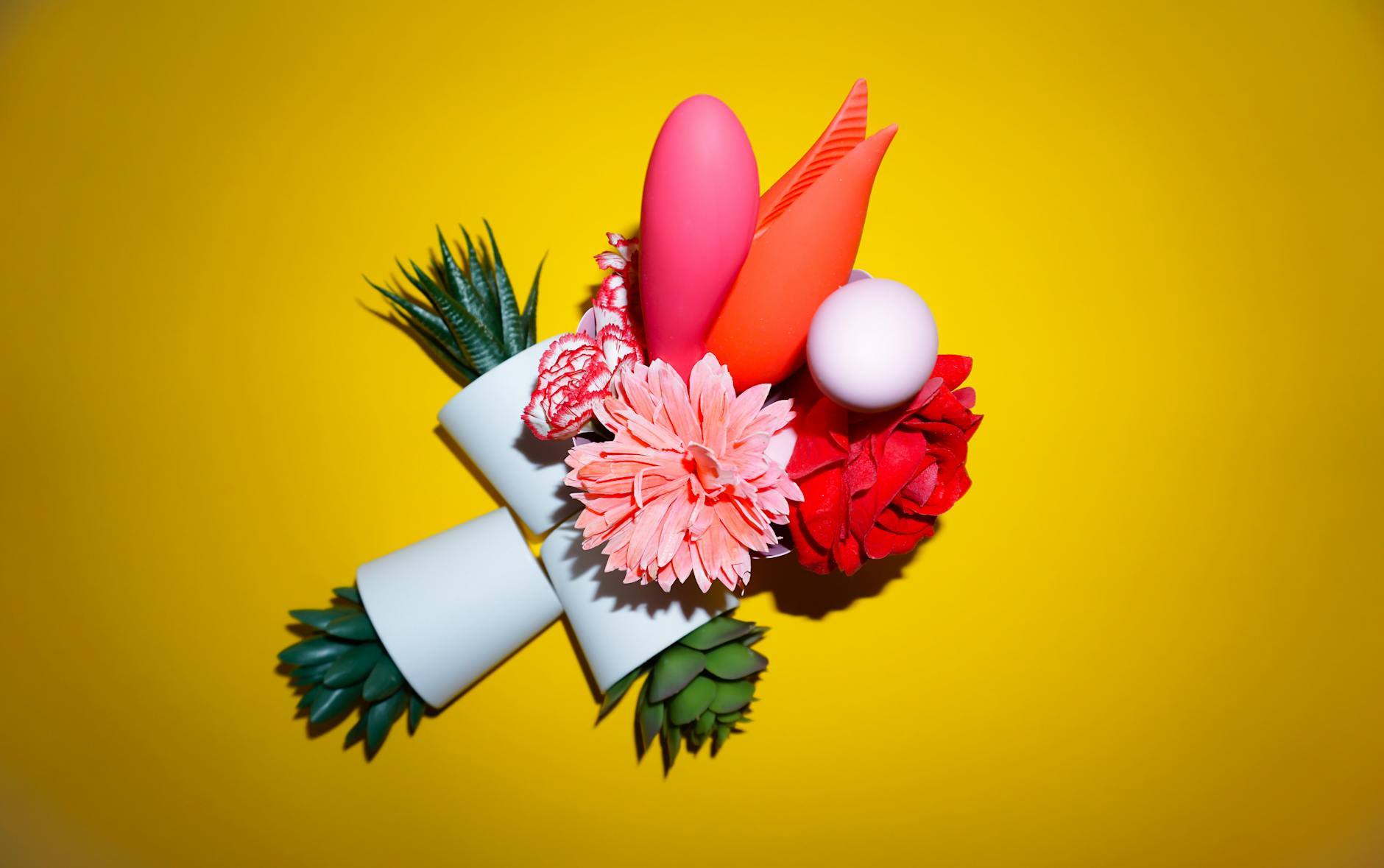
Pleasure doesn't get paused by pain
Let's be real. When you're living with endometriosis, pelvic inflammatory disease, vulvodynia, or other chronic pelvic pain conditions, most of the sex advice out there ignores your actual experience. Either it assumes pain means no touch at all, or it glosses over the fact that pain conditions are complicated, cyclical, and highly individual.
Here's what I know from working with people navigating this: pleasure and pain aren't opposites. Sometimes they coexist. Sometimes pain itself has a pattern you can learn to work with. And clitoral vibrators like the Lemon can actually be part of a pleasure practice that respects your body's limits instead of fighting them.
Why clitoral vibrators are different from penetrative touch
The key thing to understand is that endometriosis and most pelvic pain conditions primarily affect the lower abdomen, pelvic floor, and internal pelvic structures. The clitoris and external vulva can often feel fine, even when internal pain is present.
This matters because a lemon clitoral vibrator uses external suction stimulation. It doesn't require penetration. It doesn't put pressure on internal tissues. The suction works by gently drawing the clitoral tissue inward, creating sensation without the mechanical friction that can trigger inflammation or deep pelvic pain.
That said, the pelvic floor itself can become hypersensitive and tight when you're in chronic pain. So even external stimulation can feel too intense if your pelvic floor is in protective mode. Understanding this distinction is what makes the difference between a session that feels good and one that leaves you worse off.
Timing matters more than you'd think
Most people with endometriosis know their cycle intimately. Pain usually spikes around ovulation and menstruation. If you're tracking your pain, you're already ahead of the game.
Here's what I recommend: explore pleasure during your window of relative ease. For many people with endometriosis, that's roughly days 5 through 10 of their cycle, after bleeding has slowed and before ovulation ramps up hormonal inflammation. Your window might be different. The point is to notice it, protect it, and use it.
On high-pain days, that doesn't mean nothing. It means something different. Some people find that very gentle, low-intensity suction feels soothing on painful days, almost like a mild massage. Others find that any stimulation amplifies pain and they need to rest completely. Neither is wrong. Your nervous system knows what it needs.
The settings that usually work
Most lemon clitoral vibrators have multiple intensity levels and patterns. Here's how I guide people with pelvic pain through setup.
Start at pattern 1 or 2. The lowest, slowest setting. Even if you've used vibrators before without pain, start low. Your nervous system with a chronic pain condition is often hypervigilant. Low intensity gives you time to notice what feels good versus what feels like it's triggering pain.
Use broad, gentle suction. If your toy has different cup sizes or suction modes, choose the wider, gentler option first. Concentrated suction on a tiny area can feel irritating. Broader suction distributes stimulation and feels more like gentle pressure than intense pinpointing.
Expect longer warm-up time. When your pelvic floor is guarded, arousal takes longer. Budget 20 to 30 minutes for exploration, with at least half of that being non-genital touch. The idea is to let your nervous system gradually downregulate before you introduce vibration.
Stop if pain appears. Not discomfort from intensity you're getting used to. I mean sharp pain, burning, or deep cramping that feels different from your baseline. Pain is information. When it shows up during pleasure, it's usually your body saying "not right now" or "not this way." Listen.
What the research actually shows
There's growing evidence that orgasm itself can reduce pelvic pain temporarily through the release of oxytocin and endorphins. Some people with endometriosis report that gentle orgasms feel like they reduce cramping in the hours afterward. Others find that orgasm amplifies pain for a day or two.
The difference often comes down to how stimulation happens. Quick, high-intensity orgasms tend to tighten the pelvic floor further. Longer, gentler builds that lead to milder orgasms often feel relieving. This is why a lemon vibrator's suction model is often gentler than traditional vibration. It's a sustained sensation rather than a percussive one.
The data is clear on one thing: isolation makes pain worse. Connection, pleasure, and touch all activate the parasympathetic nervous system, which is healing. If you can find a way to experience pleasure that works for your body, it's worth protecting that practice.
Solo versus partnered, and what to communicate
If you're exploring alone, you have total control over speed, timing, and intensity. You can pause whenever you need. You know your pain patterns and can work within them.
With a partner, the conversation becomes: what does your pain feel like, when is it worst, and what would feel good right now. Most people with chronic pelvic pain haven't actually had this conversation clearly. They've said "I have pain" and left it there. But pain conditions are textured. Some days it's sharp, some days dull. Some positions feel fine, others don't. Some kinds of touch feel grounding, others feel triggering.
Before you bring a lemon vibrator into partnered play, name what you're exploring and why. "I want to try this on days when internal stuff feels uncomfortable" is useful information. "I'd like you to hand it to me, and I'll guide what happens" sets a boundary. "If I say stop, I mean stop" is non-negotiable.
When to rest and when to pause for longer
There's a difference between "not right now" and "something's flared." If you've had a few good sessions and suddenly everything feels painful, your body is asking for a break. Chronic pain conditions are unpredictable. Infections, stress, certain foods, sleep debt, or just the condition's natural cycle can amplify pain suddenly.
When flares hit, rest is the right move. Not shame. Not frustration. Rest. You can return to pleasure when your body settles again.
Also: if pain is worsening overall, not just in isolated sessions, talk to your gynecologist or pelvic pain specialist. Sometimes pleasure practice can coexist with medical management, but it's not a replacement. A pelvic floor physical therapist can be transformative if you haven't worked with one. They can teach you the difference between protective tension and relaxation, which changes everything about what sensation feels possible.
The emotional piece no one talks about
Chronicpain can create shame around pleasure. You might feel broken, or worry that exploring sensation means you're not taking your condition seriously. That's backwards.
People with pelvic pain conditions often do everything right and still hurt. Pleasure isn't frivolous in that context. It's resistance. It's saying: my pain is real and my joy is also real, and both exist.
Expectations matter too. If you go into a session thinking "I'll definitely orgasm," and your body has other plans, frustration can make pain worse. If you go in curious, "I wonder what feels good today," you have room for discovery instead of performance.
Frequently asked questions
Can I use a lemon vibrator during my period if I have endometriosis?
Yes, if pain is manageable that day. Many people find that gentle clitoral stimulation feels soothing during menstruation, even with endometriosis. The key is listening to your body. If period pain is severe, rest is better. If it's mild or moderate and you want to explore, low-intensity suction on external clitoral tissue is usually safe. Avoid anything that puts pressure on your lower abdomen.
What if suction feels too intense on my clitoris?
Start with pattern 1 at the lowest setting, or try shorter sessions (5-10 minutes instead of 20). Some people find that looping the vibrator on and off—using it for a minute, then pausing for a minute—feels more manageable than continuous stimulation. You can also try placing a thin piece of fabric between the cup and your skin to soften intensity, though this reduces sensation.
Can using a vibrator make my endometriosis pain worse?
It can if you're using high intensity, long sessions, or if your body is in a flare. That's why starting slow and tracking how you feel afterward matters. Keep a simple note: date, intensity level, how long, and how you felt the next day. Patterns emerge. Most people find their sweet spot within a few tries.
Should I talk to my doctor before using a lemon clitoral vibrator?
If you have severe pelvic pain or a diagnosis you're still managing, yes. A pelvic pain specialist or gynecologist familiar with conditions like endometriosis can give you personalized guidance. They can also rule out situations where any stimulation needs to wait. But most people with well-managed pelvic pain get the green light for gentle clitoral stimulation.
What if I have pelvic floor dysfunction alongside endometriosis?
Pelvic floor dysfunction and endometriosis often coexist. In this case, a pelvic floor physical therapist is invaluable. They can teach you which muscles are tight and how to release them before pleasure exploration. Many find that a few sessions of PT dramatically change what feels possible. Gentle clitoral stimulation can actually help reinforce relaxation once you know how to access it.
Can orgasm trigger a pain flare?
Yes, for some people. Orgasm involves pelvic floor contractions, which can amplify pain if those muscles are already tight or inflamed. Others find that gentle, sustained pleasure actually reduces pain. The difference is usually in the intensity and speed of stimulation. Slower builds toward milder orgasms tend to feel better than rapid, intense ones. This is where a lemon vibrator's design helps—the suction model often supports gentler, longer experiences.
You deserve pleasure on your own terms
Living with pelvic pain is already limiting. Don't let it limit your pleasure too. The goal isn't to ignore pain or push through it. It's to find what feels good within the reality of your body right now, and protect that practice. Some days that might be a 20-minute session with a lemon vibrator on low. Some days it might be resting completely. Both are valid. Both honor what your body needs.
If you want personalized support navigating intimacy with chronic pain, or if you're working through how pelvic conditions affect your relationship, that's exactly what I'm trained for. Reach out.